
Regular sewer inspections are one of the most effective ways to catch small problems before they become catastrophic failures. By using camera-based inspection technology to assess pipe conditions on a set schedule, property owners and managers can identify early warning signs like root intrusion, hairline cracks, grease buildup, and pipe bellies before these issues escalate into collapsed lines, sewage backups, or environmental contamination. The approach depends on several factors, including the age of the plumbing system, the surrounding landscape, the property type, and the history of drain problems. What matters most is establishing a consistent inspection cadence rather than waiting for a visible problem to surface.
TLDR: Key Takeaways
- Regular sewer camera inspections catch defects like root intrusion, cracks, and offsets before they lead to pipe collapse or sewage backups.
- The EPA identifies inadequate or improper maintenance as a leading cause of avoidable sanitary sewer overflows, making proactive inspection a direct countermeasure.
- CCTV-based inspections provide a non-invasive, real-time view of pipe interiors, eliminating guesswork and reducing the need for trial-and-error excavation.
- Reactive maintenance, or waiting until something fails, consistently produces higher replacement and emergency response costs compared to scheduled preventive programs.
- Older properties, homes with mature trees nearby, and commercial buildings with high grease loads benefit most from annual or biennial inspection schedules.
- Condition assessment data gathered through regular inspections supports smarter repair planning, better budgeting, and extended pipe lifespan.
- The EPA recommends that sewer system operators adopt a capacity, management, operation, and maintenance (CMOM) approach that includes periodic condition assessments as a core practice.
What Regular Sewer Inspections Actually Reveal
A sewer inspection uses a waterproof, high-resolution camera fed through an access point such as a cleanout or drain cover. The camera travels through the pipe while transmitting live footage to a monitor, giving our technicians a direct view of the line’s interior condition. According to the CCTV drain camera overview on Wikipedia, these cameras can detect debris buildups, collapsed pipe sections, root infestations, pipe offsets, corrosion, and other obstructions without any disruptive digging.
During a routine inspection, our team evaluates several indicators of pipe health:
- Structural integrity: cracks, fractures, joint separations, and collapsed sections
- Blockages: grease accumulations, sediment buildup, foreign objects
- Root intrusion: tree roots entering through joints, cracks, or connection points
- Pipe alignment: sagging (bellies), offsets, and misaligned connections
- Corrosion and deterioration: signs of chemical or age-related degradation
The value of catching these conditions early is straightforward. A small root intrusion detected during an annual inspection can be cleared with targeted maintenance. Left unchecked for years, that same root growth can crack and collapse the pipe, requiring a full replacement that disrupts landscaping, driveways, and daily operations.
Why Waiting Until Something Breaks Costs More
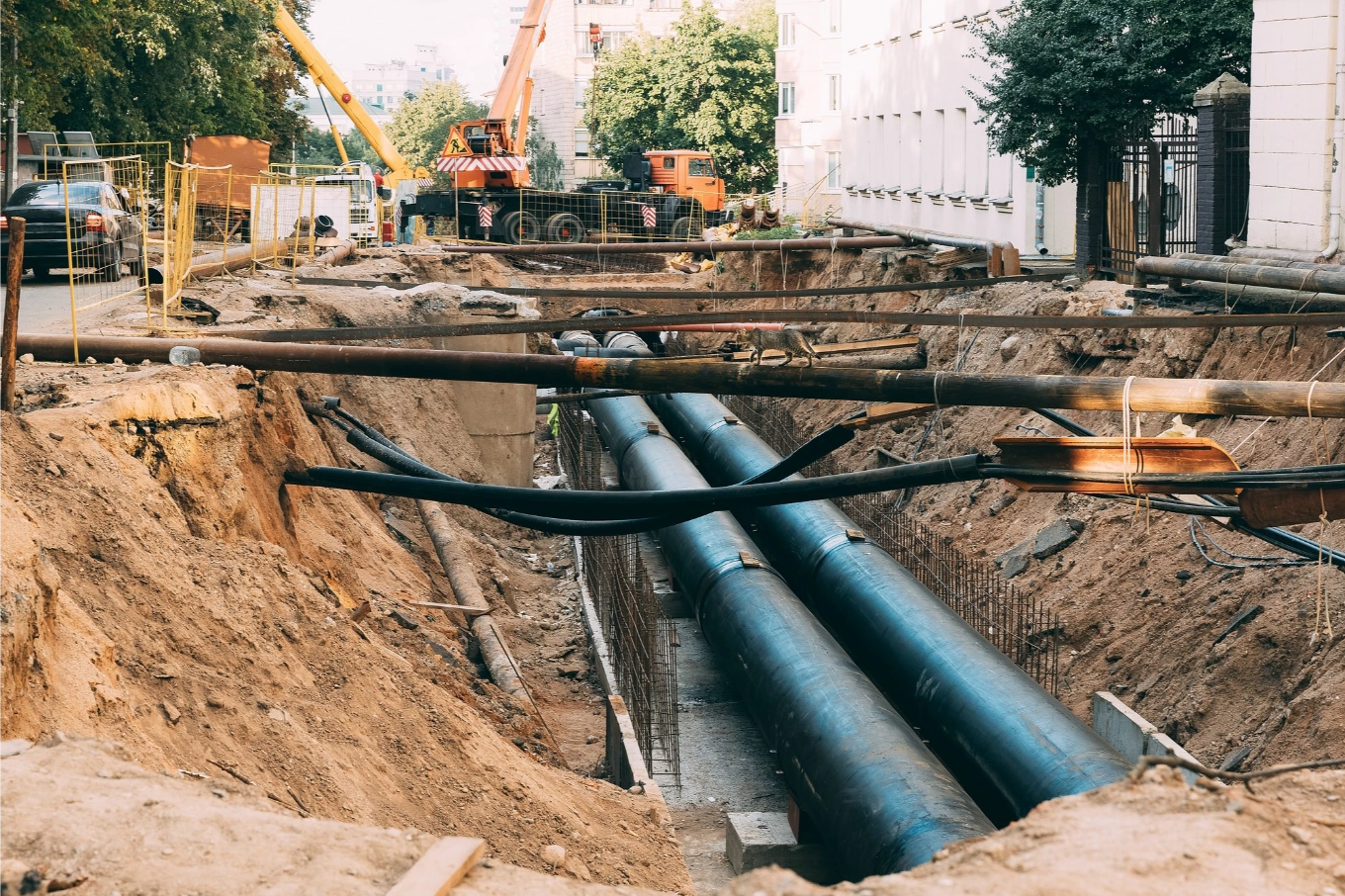
The distinction between reactive and proactive maintenance is well documented in public infrastructure management. The EPA’s asset management fact sheet for sewer collection systems explicitly states that sewer system assets not regularly maintained usually deteriorate faster than expected and lead to higher replacement and emergency response costs. The same document describes how many utilities slip into a “run-to-failure” model, where most resources go toward emergency response and rehabilitation of failed components, while undiscovered defects continue to worsen.
When a sewer line fails without warning, the consequences compound quickly:
- Emergency service calls carry premium urgency and scheduling pressure
- Collapsed pipes may require excavation through landscaping, hardscaping, or building foundations
- Untreated sewage backups create health hazards and potential property damage
- Emergency replacement limits the time available to compare repair methods and materials
By contrast, a scheduled inspection provides the time and information needed to plan repairs strategically. Our team can evaluate multiple options, coordinate with other property improvements, and complete work during normal business hours rather than in the middle of a crisis.
What the EPA Says About Preventive Sewer Maintenance
Federal guidance is clear that proactive maintenance is the preferred approach for sewer systems. The EPA’s SSO frequent questions page explains that many avoidable sanitary sewer overflows are caused by inadequate or improper operation and maintenance. The agency lists sewer system cleaning and maintenance, along with repairing broken or leaking service lines, as primary methods for reducing overflows.
Regarding the financial impact, the EPA notes that rehabilitation and corrective measure costs will be highest in communities that have not implemented regular preventive maintenance or asset protection programs. Ongoing maintenance and rehabilitation adds value to the original infrastructure investment by maintaining system capacity and extending service life.
The EPA also promotes the CMOM framework (Capacity, Management, Operation, and Maintenance) as the standard approach for collection system operators. This framework includes periodic condition assessments, preventive maintenance scheduling, and data-driven decision making as core requirements.
How Often Should You Schedule a Sewer Inspection?
The right inspection frequency depends on specific property conditions rather than a universal timeline. However, there are established guidelines based on risk factors and system characteristics.
| Property Type | Recommended Inspection Frequency | Primary Risk Factors |
|---|---|---|
| Single-family home (new construction) | Every 3 to 5 years | Ground settling, construction debris |
| Single-family home (older than 30 years) | Every 1 to 2 years | Aging pipes, material degradation |
| Home with mature trees near sewer line | Annually | Root intrusion, pipe displacement |
| Commercial property / restaurant | Every 6 to 12 months | Grease accumulation, high usage loads |
| Multi-unit residential building | Every 1 to 2 years | Volume stress, varied usage patterns |
| Property with history of backups | Every 6 months until resolved | Recurring blockages, hidden damage |
Our team evaluates each property individually and recommends a schedule based on pipe material, age, surrounding conditions, and any history of problems. For properties where we find minor defects, we may recommend more frequent follow-up inspections to track whether the condition is stable or progressing.
The Technology Behind Modern Sewer Inspections
Sewer inspection has advanced significantly beyond basic visual checks. The EPA’s overview of smart sewer technologies describes how closed-circuit television (CCTV) has long served as the industry standard for assessing sewer conditions, with newer digital, electrical, and laser-based scanning tools now providing even more detail and precision.
Our inspection process uses high-definition cameras mounted on flexible cables or robotic crawlers, depending on pipe size and access conditions. The camera captures real-time footage as it moves through the line, allowing our technicians to identify defect locations, measure distances, and assess severity on the spot.
This technology also creates a documented record of pipe condition over time. When inspections are performed on a regular schedule, our team can compare current footage to previous recordings to track whether specific defects are stable, slowly worsening, or rapidly deteriorating. That longitudinal data is what turns a one-time diagnostic into a genuine preventive maintenance program.
Common Problems Caught Early Through Inspection
Root Intrusion
Tree roots seek moisture and nutrients, and sewer pipes provide both. Roots enter through small cracks, joint openings, or connection points, then grow and expand inside the pipe. Over time, root masses catch debris, grease, and tissue, creating severe blockages. When caught early during an inspection, roots can be cut and cleared before they cause structural damage to the pipe.
Grease and Debris Buildup
In kitchens and commercial food service operations, fats, oils, and grease (FOG) enter the drain system and gradually accumulate on pipe walls. The EPA specifically identifies FOG and improperly disposed household products as major contributors to sewer blockages. Regular inspections can identify buildup before it restricts flow enough to cause a backup.
Pipe Deterioration
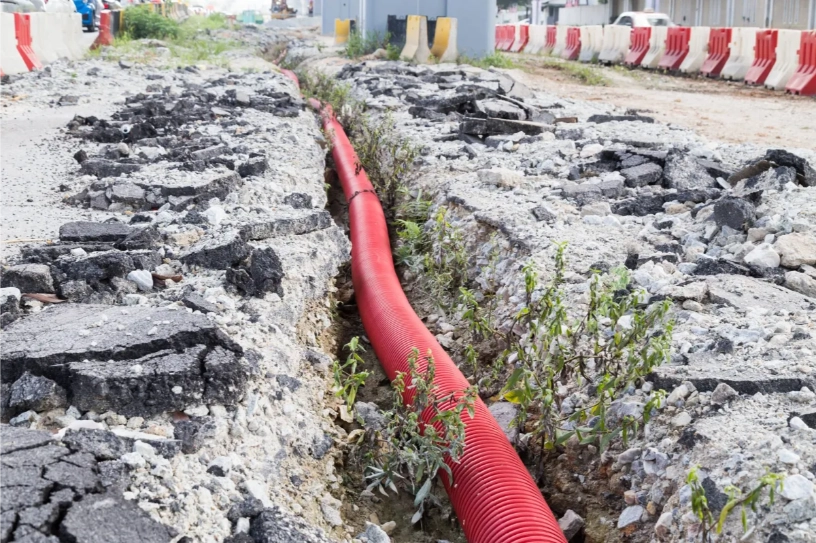
Pipes age and degrade over time. Clay pipes crack, cast iron corrodes, and plastic pipes can deform under ground pressure. Hairline cracks identified during an inspection may only need monitoring, while ignoring them can lead to full pipe collapse, soil erosion around the line, and sinkhole formation.
Bellies and Misalignment
Sections of pipe can sag over time due to ground settling, creating low spots called bellies where water and solids collect instead of flowing freely to the main. These are difficult to detect without camera inspection because the symptoms mimic other blockages. Left unaddressed, bellies lead to recurring backups and accelerated pipe wear at the collection point.
Which Properties Benefit Most From a Proactive Inspection Schedule
While every property with a sewer connection can benefit from periodic inspection, certain situations make proactive assessment especially important.
Older properties with clay or cast iron pipes are more susceptible to cracking, corrosion, and joint failure. Many sewer pipes installed more than 40 years ago are now approaching or exceeding their expected service life.
Properties with mature landscaping face elevated root intrusion risk. Species like willows, maples, and poplars have aggressive root systems that actively seek out sewer lines. If large trees are located within 30 feet of the sewer path, annual inspections are a reasonable precaution.
Commercial buildings with high-volume drainage, particularly restaurants and food service operations, generate significant grease loads that accelerate pipe deterioration. Regular inspection combined with preventive cleaning is the most effective approach for these properties.
Properties that have experienced prior drain problems need follow-up assessment even after a repair is completed. The underlying conditions that caused the original failure, such as ground movement, root patterns, or pipe material weakness, are still present and may affect other sections of the line.
Signs You Have the Right Inspection Partner
Choosing a sewer inspection service involves more than comparing schedules. The right provider delivers clear, actionable information and communicates findings in terms that support good decision making.
- Detailed reporting: A thorough inspection includes a written report with video evidence, not just a verbal summary. Look for documentation of defect locations, severity ratings, and specific recommendations.
- Preventive mindset: The provider should frame findings in terms of what can be done now to prevent future problems, not just what needs immediate repair. This approach reflects a preventive maintenance philosophy rather than a reactive one.
- Consistent communication: Clear explanations of what was found, what it means, and what options are available indicate a team that values informed property owners.
- Trackable history: A provider that maintains records over multiple inspections enables meaningful comparison of pipe condition over time, which is the foundation of any effective preventive program.
Schedule Your Sewer Inspection With All Drain Solutions
At All Drain Solutions, our team uses professional-grade camera inspection equipment to evaluate sewer line repair conditions and provide clear, documented findings you can act on. Whether you need a one-time assessment for a specific concern or want to establish a recurring inspection schedule, we work with you to build the right plan for your property. Reach us at (206) 899-7764 or office@all-drain.com to get started.
Request an estimate | Schedule an Inspection
Frequently Asked Questions
How long does a typical sewer camera inspection take?
Most residential sewer inspections are completed within 30 minutes to two hours, depending on the length and complexity of the line being assessed.
Do I need to be home during the inspection?
In most cases, we can access the sewer cleanout from outside the property. If interior access is needed, we will coordinate with you in advance.
Can a sewer inspection identify the exact location of a problem?
Yes. Our cameras include locators that transmit signals above ground, allowing our technicians to pinpoint the precise depth and horizontal position of any defect.
What should I do if my inspection reveals minor cracks but no active problems?
Minor defects found during inspection should be documented and monitored through follow-up inspections. Our team will recommend a schedule based on the severity and rate of deterioration observed.
Will a regular inspection actually prevent tree roots from entering my sewer line?
Inspections cannot physically stop roots from growing toward the pipe, but they allow us to detect and remove root intrusions early, before they expand enough to crack or collapse the line.
Sources
- EPA – Sanitary Sewer Overflow (SSO) Frequent Questions – Federal guidance on SSO causes, health risks, and prevention methods including maintenance and system rehabilitation.
- EPA – Smart Sewer Technologies – Overview of asset management tools, condition assessment technologies, and monitoring systems for wastewater collection infrastructure.
- CCTV Drain Camera (Plumbing) – Wikipedia – Encyclopedic reference on sewer camera technology, its purpose, usage, and role in preventive maintenance inspections.
- EPA – Asset Management for Sewer Collection Systems (Fact Sheet) – Detailed EPA publication on proactive vs. reactive maintenance models, CMOM framework, and condition assessment planning for sewer utilities.
- EPA – Sanitary Sewer Overflow Additional Resources – Compilation of enforcement actions, technical reports, CMOM program guidance, and fact sheets on SSO prevention and abatement.