
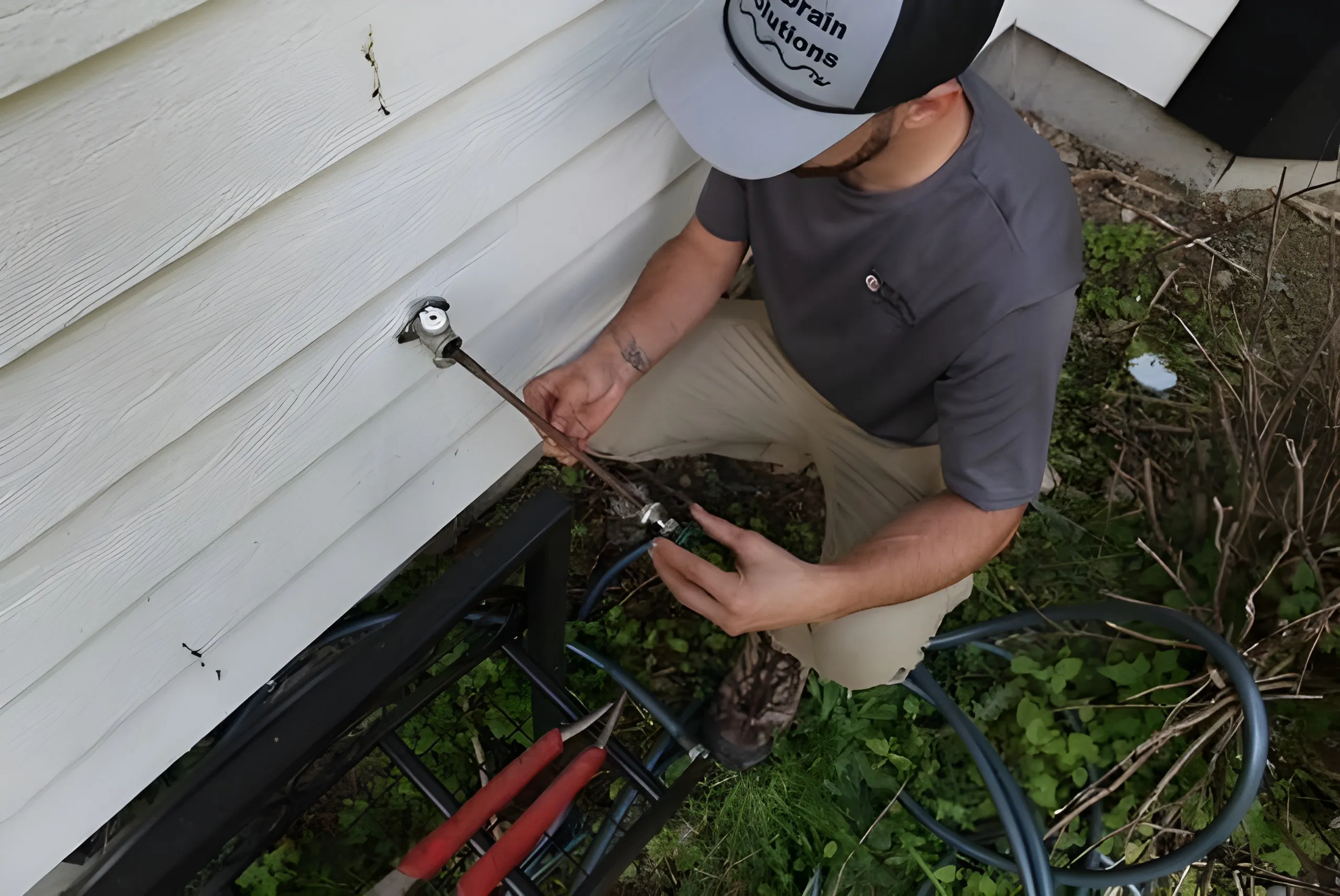
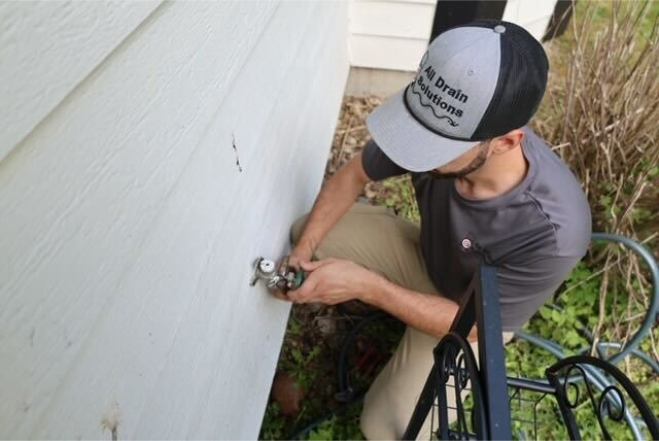
A straightforward hose bib replacement in Puyallup typically takes a licensed plumber between 30 minutes and 1 hour when conditions are ideal, meaning easy access to the existing pipe, a standard threaded connection, and no underlying damage. However, the actual time can extend to 2 to 4 hours or more depending on the type of hose bib being installed, the connection method behind the wall, code compliance requirements, and whether winter freeze damage has affected the supply line. Puyallup’s wet, cold winters make these variables especially relevant for homeowners.
TLDR / Key Takeaways
- A simple, threaded hose bib swap takes 30 minutes to 1 hour for a professional plumber
- Frost-free sillcock installation adds time due to longer stems and precise angle requirements
- Puyallup’s frost season runs roughly mid-October through mid-April, making proper winterization essential
- Washington’s average frost line depth is 24 inches, meaning pipes must extend well inside the heated envelope
- The International Residential Code requires an accessible stop-and-waste valve inside the building for hose bibs subject to freezing
- The EPA reports the average household wastes 9,400 gallons of water per year from leaks, and a dripping hose bib contributes significantly
- Connection type (threaded, soldered, PEX, or press-fit) is the single biggest factor in how long the job takes
- Replacing a damaged hose bib before winter avoids burst pipes and costly interior water damage
What Affects Hose Bib Replacement Time in Puyallup
Not every hose bib replacement follows the same timeline. The difference between a 30-minute job and a half-day project comes down to a handful of practical factors.
Connection Type
The way your current hose bib connects to the supply line inside the wall determines the difficulty of the job. A standard threaded connection unscrews relatively quickly, while soldered (sweat) copper connections require cutting, re-soldering, and drying time. PEX and press-fit connections fall somewhere in between, requiring the correct fittings and tools but no open flame.
| Connection Type | Typical Time Added | Complexity Level |
|---|---|---|
| Threaded (NPT) | Minimal | Low |
| Soldered (sweat) copper | 1 to 2 additional hours | High |
| PEX (crimp or clamp) | 30 to 60 minutes | Medium |
| Press-fit | 30 to 45 minutes | Medium |
Access to the Supply Line
Homes in Puyallup with hose bibs installed through the crawlspace or basement foundation generally offer easier access than those routed through finished walls or exterior veneer. If our team needs to cut into drywall, siding, or brick to reach the connection point, the job naturally takes longer and includes patchwork afterward.
Standard vs. Frost-Free Hose Bib
A standard hose bib has the shut-off valve right at the exterior wall, which leaves a short section of pipe vulnerable to freezing temperatures. A frost-free sillcock positions the valve anywhere from 4 to 12 inches inside the heated building envelope, so the water drains away from the cold exterior. Installing a frost-free unit requires precise measurements and a slight downward pitch, which adds steps to the process.
Why Puyallup’s Climate Makes Hose Bib Condition Matter
Puyallup experiences cold, wet winters with average low temperatures dropping to 33 degrees Fahrenheit in December and January, and temperatures can fall below 26 degrees during cold snaps. According to US Climate Data, the area receives roughly 40 inches of precipitation annually, with the wettest months from November through January. This combination of cold and moisture creates ideal conditions for exterior plumbing failures.
Frost dates for Puyallup, based on 1991-2020 climate normals from NOAA, place the last spring frost around April 19 and the first fall frost around October 22, giving a growing season of about 185 days. That means roughly five months out of the year, your outdoor faucets are at risk.
Washington’s state average frost line depth is 24 inches, according to data sourced from the U.S. Department of Commerce and the City of Seattle. For hose bibs, this means the supply pipe must extend far enough inside the building envelope to stay above that frost penetration line, or you need a frost-free sillcock with a stem long enough to position the shut-off valve in heated space.
Code Requirements That Impact Replacement
Plumbing codes exist to protect homeowners, and they directly affect how we approach a hose bib replacement in Puyallup.
The International Residential Code states that hose bibs subject to freezing, including the frostproof type, must be equipped with an accessible stop-and-waste valve inside the building so they can be controlled and drained during cold periods. The only exception is when a frost-proof hose bib is installed with its stem extending through the building insulation into a heated or semiconditioned space.
Additionally, the International Plumbing Code section 606.2.2 requires a shutoff valve on the water supply to every sillcock, as referenced in Home Improvement Stack Exchange discussions . When we replace a hose bib, we always verify that this interior shutoff valve exists and functions properly. If the original installation skipped it, adding one becomes part of the job and extends the timeline, but it also brings the installation up to code and prevents the kind of emergency described in code discussions where a burst hose bib forced an apartment building to shut off water to multiple units.
The Hidden Cost of Waiting: Water Waste and Freeze Damage
A leaking or failing hose bib is not just an annoyance. According to the EPA WaterSense program , the average family wastes 180 gallons per week, or about 9,400 gallons annually, from household leaks. A single dripping outdoor faucet that drips once per second can waste over 3,000 gallons per year on its own. Outdoor water use accounts for more than 30 percent of total household water use on average nationwide, and a leaking hose bib contributes directly to that waste.
In Puyallup, the bigger risk is freeze damage. When water inside a standard hose bib freezes, it expands and can split the brass or copper. The real problem often goes unnoticed until spring, when you turn on the faucet and water pours inside your wall or crawlspace. By that point, you are dealing with water damage remediation on top of a simple hose bib replacement.
Standard vs. Frost-Free: Which Makes Sense for Puyallup
Given the local climate, we almost always recommend a frost-free sillcock for Puyallup homeowners. Here is a comparison of what each option involves during replacement.
| Factor | Standard Hose Bib | Frost-Free Sillcock |
|---|---|---|
| Valve location | At exterior wall | 4 to 12 inches inside the wall |
| Freeze protection | None, requires draining each fall | Built-in, when installed correctly |
| Installation time | 30 minutes to 1 hour | 1 to 2 hours |
| Angle requirement | Minimal | Must slope slightly downward |
| Winterization needed | Yes, every season | Remove hose, that is it |
| Best suited for | Mild climates, covered locations | Puyallup and similar cold-winter areas |
For homes in Puyallup where the existing hose bib is a standard model and has already survived multiple winters without issue, we evaluate the current installation before recommending a change. If the supply line already extends well into heated space and has a proper interior shutoff, a frost-free upgrade is straightforward. If the line is short or routed poorly, we will discuss options that bring everything up to code while keeping the job as efficient as possible.
Signs Your Hose Bib Needs Replacement Now
Not every drip or trickle means a full replacement is necessary, but certain symptoms should not wait until the next season.
- Visible cracks or corrosion on the spigot body, especially around the threads or handle stem
- Water leaking from behind the wall when the faucet is turned on, indicating a failed connection inside
- Difficulty turning the handle or a handle that spins without actually opening or closing the valve
- Water continues running after the handle is fully closed, suggesting a failed internal washer or seat
- Reduced water pressure from the spigot, which can point to mineral buildup or a partially frozen line
If you notice any of these issues before the first fall frost in October, schedule the replacement while conditions are still manageable. Waiting until freezing weather arrives makes the repair harder and more expensive.
When to Schedule Your Hose Bib Replacement
Timing matters in Puyallup. The best window for hose bib replacement is late spring through early fall, roughly May through September, when temperatures are consistently above freezing and the ground is dry. Scheduling during this period means our team can work without weather-related complications and you have the rest of the season to confirm the new installation functions properly before winter arrives.
If you discover a problem during winter, we can still perform the replacement, but we may need to take additional precautions such as temporary heat sources for the work area or scheduling around the driest, warmest part of the day.
Get Your Hose Bib Replaced by All Drain Solutions
Our licensed plumbers at All Drain Solutions handle hose bib replacements throughout Puyallup and the surrounding area. We assess your existing connection, verify code compliance, and recommend the right type of hose bib for your home’s specific setup. Whether it is a straightforward swap or a more involved frost-free upgrade, we complete the work efficiently and test everything before we leave.
Request an estimate| Schedule an Assessment
Call us directly at (206) 899-7764 or email office@all-drain.com to get started. We respond quickly because we know a leaking outdoor faucet will not wait, and neither should you.
FAQs
How do I know if my hose bib is frost-free or standard?
Look at where the pipe enters the wall. A frost-free sillcock has a longer body that extends several inches into the wall, while a standard hose bib has the valve mechanism right at the exterior surface. If you are not sure, our team can identify the type during a quick inspection.
Do I need a permit to replace a hose bib in Puyallup?
In most cases, a direct replacement of an existing hose bib does not require a permit. However, if the replacement involves relocating the faucet, running new supply lines, or modifying the interior valve, a permit may be required under Washington state plumbing codes.
Can I replace a hose bib myself, or should I hire a plumber?
A simple threaded replacement is manageable for experienced DIYers, but soldered connections, frost-free installations, and code compliance requirements make professional installation the safer choice. Improper installation can lead to hidden leaks inside your walls.
What happens if I do not winterize my standard hose bib?
Water left inside a standard hose bib can freeze during Puyallup’s cold months, expanding and cracking the brass body or copper supply line. The damage often goes unnoticed until you turn on the faucet in spring, potentially causing interior water damage.
Will replacing my hose bib improve water pressure?
If your current hose bib has mineral buildup, corrosion, or a partially closed valve, replacing it can restore full flow. If the pressure issue is further back in your supply line, the hose bib replacement alone will not solve it, and we can investigate the cause during our visit.
Sources
- UpCodes – IRC Section P2903.11 Hose Bibb – Model building code requirements for hose bibs subject to freezing, including stop-and-waste valve mandates and frost-proof installation exceptions.
- US Climate Data – Puyallup, Washington – Monthly temperature and precipitation averages for Puyallup, WA based on 1991-2020 climate normals.
- Old Farmer’s Almanac – Frost Dates for Puyallup, WA – Average last spring frost and first fall frost dates for Puyallup using NOAA 1991-2020 climate normals at 30% probability.
- Home Improvement Stack Exchange – Shut-Off Valve Code Requirements – Discussion of IPC section 606.2.2 requirements for shutoff valves on sillcock and hose bib water supplies.
- EPA WaterSense – Statistics and Facts – Federal data on household water waste from leaks, outdoor water use percentages, and conservation benchmarks.